
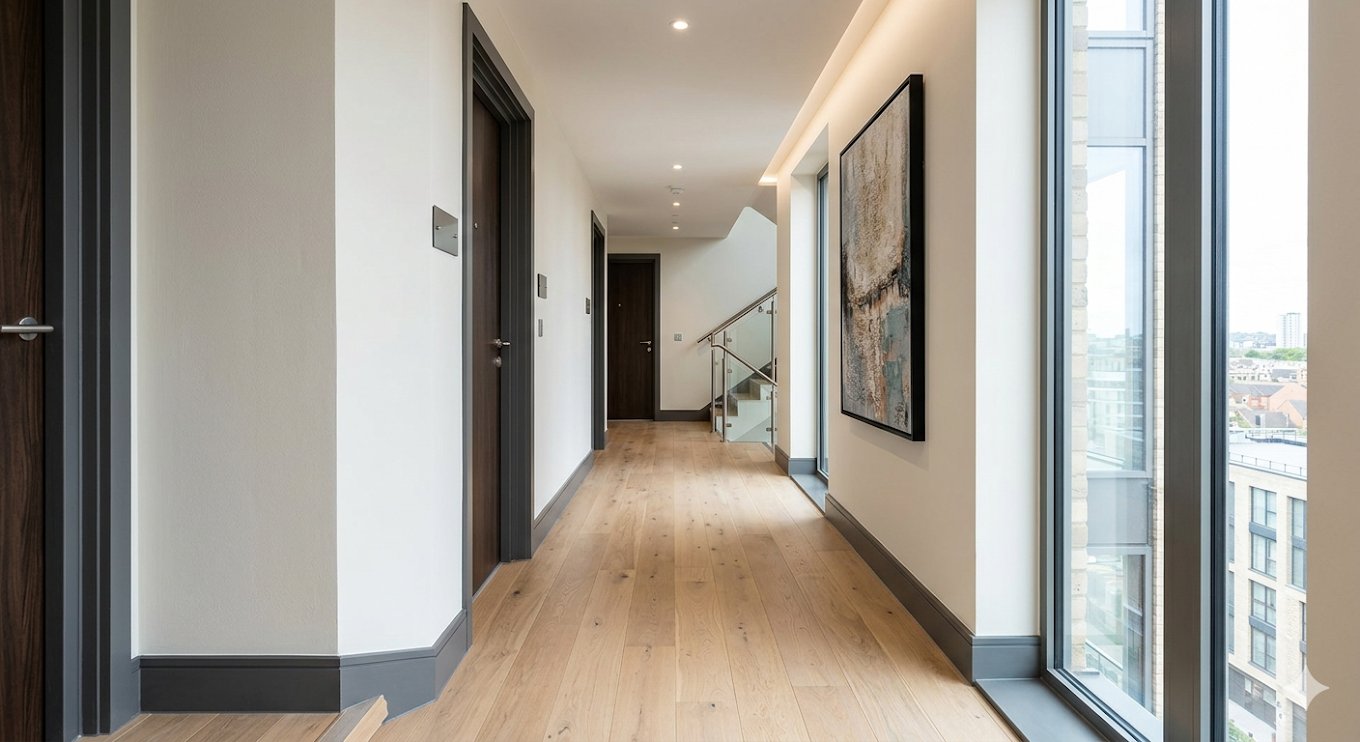
Hiring professional painters takes most of the hard work off your hands, but there’s still a bit of preparation on your side that makes a real difference to how smoothly the job goes, whatever kind of property you’re in — from a Victorian terrace near High Barnet to a modern flat close to Edgware.
Clear the Space as Much as You Reasonably Can
The single most useful thing you can do before decorators arrive is clear as much of the room as possible. Small furniture, ornaments, wall art, curtains and rugs are all worth moving out of the room entirely if you can, since it means less time spent covering and working around items, and less risk of anything getting knocked or marked during the job. For larger furniture that can’t be removed, moving it to the centre of the room and covering it properly gives painters room to work around the edges of the space.
Take Down Wall-Mounted Items
Pictures, mirrors, shelves and curtain poles all need to come down before painting, and it’s worth doing this yourself in advance if you can, rather than leaving it for the painters to sort out on the day. It also gives you a chance to patch and fill any old screw holes or wall fixings you no longer need, which your decorators can then prime and paint over as part of the job rather than needing a separate visit later.
Think About Access, Especially in Terraced Streets
Many of Barnet’s Victorian and Edwardian terraces, particularly around New Barnet, High Barnet and Friern Barnet, have narrower hallways and staircases than more modern housing, which is worth bearing in mind if you’re having a whole property decorated rather than a single room. Letting your decorators know in advance about any tight doorways, narrow staircases, or limited parking directly outside the property helps them plan the job properly and bring the right equipment on the day, rather than losing time working it out on arrival.
Sort Out Any Repairs Beforehand
If there’s any plumbing, electrical work or structural repair needed in a room — a leaking radiator valve, a socket that needs replacing, a ceiling crack that needs proper structural attention rather than just cosmetic filling — it’s worth getting that sorted before the painters arrive rather than after. Painting over an unresolved issue, like a slow leak that’s already caused ceiling staining, generally just means the same problem reappears through the fresh paint a few months later.
Protect What Can’t Be Moved
Flooring, particularly original wood flooring common in many of the period properties around Chipping Barnet and Monken Hadley, is worth protecting properly with dust sheets even though professional decorators will bring their own protection as standard. Letting them know in advance about any flooring you’re particularly keen to protect — an antique rug, a newly fitted carpet, original parquet — means they can take extra care in that specific area.
Plan Around Pets and Children
If you have pets or young children at home, it’s worth thinking through how the household will work around the job, particularly for rooms with open paint tins, wet paint, or equipment like ladders and dust sheets that aren’t ideal around curious pets or small children. Many households find it easier to plan a few days away, or at least keep pets and children out of the rooms being worked on until the paint has properly dried.
Decide on Colours and Finishes in Advance
Nothing slows a job down more than indecision on the day. Having your colours, finishes and any specific requirements (feature walls, contrasting woodwork, particular brands of paint) decided and confirmed before your decorators arrive means they can get straight into the work rather than waiting on decisions partway through. If you’re not sure, it’s worth resolving this in the days beforehand rather than during the first morning of the job.
Communicate Any Access or Timing Constraints
If you work from home, have specific times you need quiet for calls, or have any other constraints on when certain rooms can be worked in, it’s worth flagging this clearly before the job starts rather than trying to manage it in real time once painters are already on site. Most decorators are happy to plan around reasonable constraints if they know about them in advance.
Consider Ventilation
Good ventilation helps paint dry properly and keeps fumes from building up, particularly in smaller rooms or during colder months when it’s tempting to keep windows shut. If you have any specific concerns — a household member with respiratory sensitivities, for example — it’s worth discussing this with your decorators beforehand so they can plan the work, and any necessary ventilation, accordingly.
A Little Preparation Goes a Long Way
None of this preparation needs to be elaborate — clearing the space, taking down what needs to come down, sorting out any underlying repairs, and communicating clearly about access and timing covers most of what actually matters. Doing these few things beforehand, whether you’re in a terraced house near Whetstone or a flat near Colindale, means your decorators can focus entirely on the job itself rather than working around avoidable obstacles, and it usually means the whole project runs faster and more smoothly for everyone involved.